
The most trusted site for professional selling skills, motivation and sales management know-how in the B2B environment.

Disrupting Sales Training: A New Dawn in Personalized Learning
Traditional sales training methodologies, which have remained unchanged for decades, are on the brink of obsolescence. Your current approach could be putting your sellers at a disadvantage, and the way you develop them might be causing them to fall even further behind. With prospect access ever m...

Boosting Sales Results with Limited Resources: Time Management Strategy for Sales Managers
Are your sales managers feeling overwhelmed with all of their responsibilities? Most sales managers know they should be coaching their te...

How AI Is Revolutionizing the Role of the SDR
AI is rapidly shifting the role of sales development representatives (SDRs) from time-consuming spray-and-pray strategies to understanding h...

Why Misalignment Is Silently Killing Your Revenue Acceleration Strategies
The Job of Sales Leaders We believe that the job of sales leaders is to create and implement revenue acceleration strategies responsible fo...
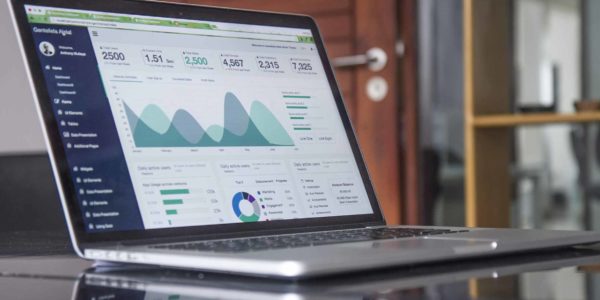
Five Surprising Keys to Closing Deals Based on New Data
Everyone wants to close more deals in today’s marketplace… Our most recent study on selling gives fresh insight into exactly how to close...

Stop Chasing Sales Efficiency and Focus on What Matters Most
In the summer of 2021, I had a call with a frustrated CSO. The leadership team at her company was under immense pressure to win over investo...

Five Important B2B Revenue Trends
B2B revenue teams have experienced massive change, challenge, and growth in the past couple of years – and I predict the coming months and y...
Upcoming Webinar
Revenue Enablement 2.0: How to Sell More Using Sales-First Tech and Automation
May 8 at 1:00 p.m. ET
REGISTER NOW
Recent Blog Posts
Popular Articles
Events

CRO Summit: How AI Leads to Revenue Innovation and Acceleration
June 5 - June 6, 2024Learn More
AI Sales Summit
September 25 - September 26, 2024Learn More

Webinars
- Wednesday, May 8, 2024 • 1:00 PM ET
Revenue Enablement 2.0: How to Sell More Using Sales-First Tech and Automation
Free Newsletters
Sales Management Digest
Our weekly newsletter featuring articles about sales leadership, hiring, training, new sales tools, and more. Mails every Tuesday.
SubscribeDaily Boost of Positivity
Start your day off right! This email delivers a quick practice, quote, or positive insight to help you achieve greater levels of success. Mails every weekday.
SubscribeAI 4 Sales™ / Sales 3.0 Digest
Stay informed about the top tools and best practices you need to run a successful sales team.
Subscribe
Other Resources
Diversity, Equity, and Inclusion
Helping you build healthier, happier, and better performing sales organizations.
Learn More →